









Your idle capacity can connect thousands of schools.
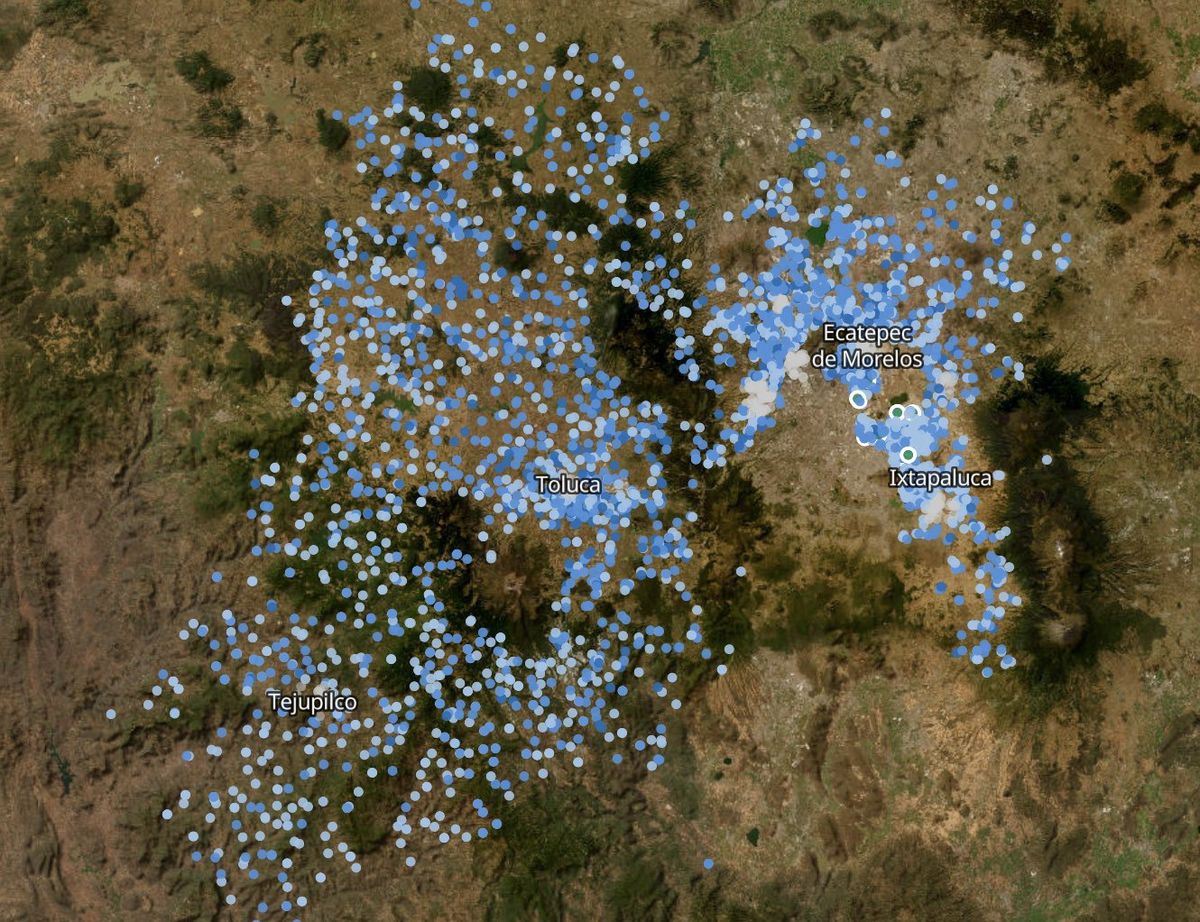
There are thousands of unconnected schools that are easy to reach — within 1–5 km of existing last-mile ISP networks.
Meanwhile, the capacity those schools need currently sits under-utilized.
You can offer last-mile ISPs impact pricing on backhaul, on the condition they use it to connect nearby schools — all verified and operationalized by UNICEF.
What carriers get

New school demand

New capacity demand

New ISP customers

Visibility
Join the anchor partners already offering impact pricing.


Let’s talk about your network.
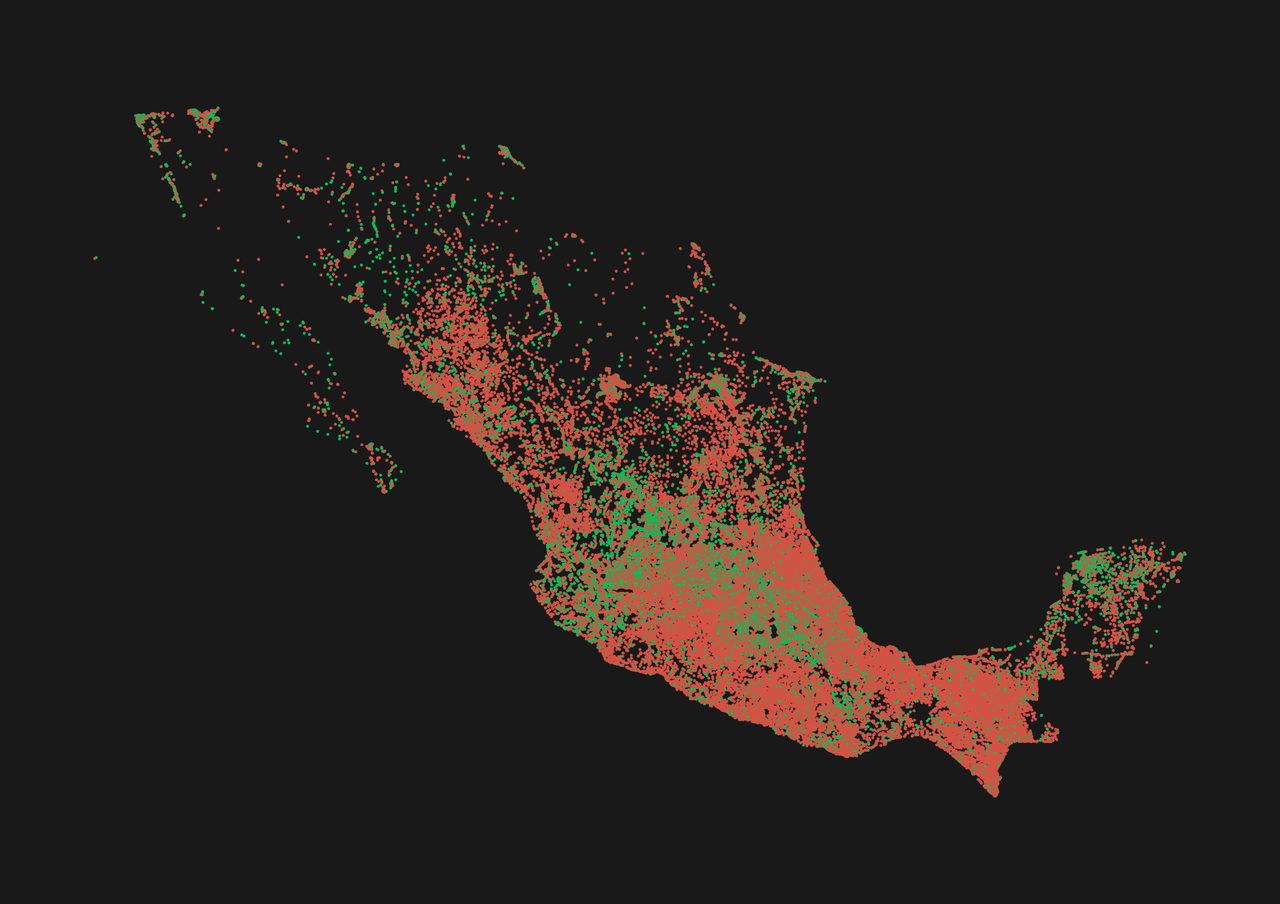
We’ll help you map how many schools and health centers you could reach, and the impact pricing level suitable for your market.
Frequently asked questions
Impact pricing is a discount you offer ISPs on backhaul, applied to the new capacity they add to serve schools. The rate is agreed with UNICEF for your market, and the ISP only holds it for as long as the schools they connected stay online.
The discount is scoped to the new capacity added for school connectivity, so it sits alongside your existing commercial agreements rather than replacing them. Rates are set per market with UNICEF rather than published as a general tariff.
A Connectivity Credit is one day of meaningful connectivity delivered to a school, measured against thresholds UNICEF sets with national governments. ISPs earn Credits only on the days a school is genuinely online at that standard.
UNICEF. Connected sites run Giga’s real-time monitoring, and the results are visible at maps.giga.global. The program is delivered through UNICEF partnerships with governments, on open source code hosted by an independent foundation.
Mexico is live, with backhaul agreements open in Estado de México. Kenya, South Africa and Tanzania are in progress. See all markets on the home page.